
leather manufacturing
Home leather manufacturing
How is leather processed?
Leather and leather goods such as handbags, luggage and saddlery, is manufactured from hides and skins, a natural resource obtained from animals, reptiles and birds (ostrich). Hides and skins are processed in tanneries, where they undergo a tanning process to prevent the leather from decaying, and produce a preserved, flexible, durable, and suitable material to make goods. The process of leather manufacture involves primarily a sequence of chemical operations that transform the hide/skin from a perishable state into the preserved, durable material that we know as leather.
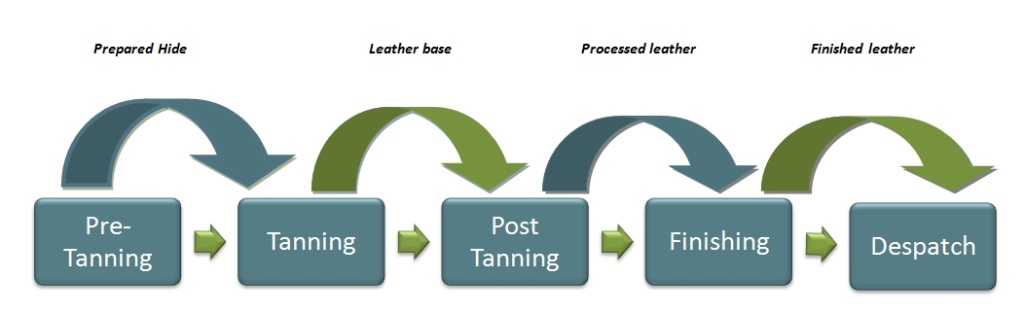
Each step has a specific purpose as follows:
- Pre-tanning preserves and prepares the hide in order to render it ready for tanning. This involves treatment with some form of preservative to protect it from bacterial degradation, and removal of hair and tissue from the hide.
- Tanning is a chemical process whereby the animal tissue is turned into a stable material, which then becomes the base for leather. The product resulting from the tanning process differs greatly from the skin that was prepared in the pre-tanning stage.
- Post-tanning operations impart some of the desired properties to the semi-processed material (e.g. drying, introducing oil into the leather, dyeing) The finishing step enhances the quality and the appearance of the leather to suit the intended end use.